

 28 October 2024
 With the glow of Autum giving way and the clocks having changed thoughts turn from Halloween and straight to Christmas. Maybe its too early to mention that word but preparing your business for winter may help limit the seasonal impacts that winter may bring.
There are many potential events/situations that may affect your business over the late autumn and winter months. The prevalence of strong winds and heavy rain significantly increases meaning difficulties for staff getting to or from work or even damage to the structure of your business premises. Burst water pipes from freezing conditions or boiler failure causing uncomfortable working conditions.
As well as storm damage other associated risks include flooding, supply chain risks (driving risks), staff or visitor injury (walking on slippery/wet/unlit walkways), the list goes on but hopefully, some simple mitigation can prevent your business being affected or worse, having to make a claim on your business insurance policies.
Guide to making a business interruption claim
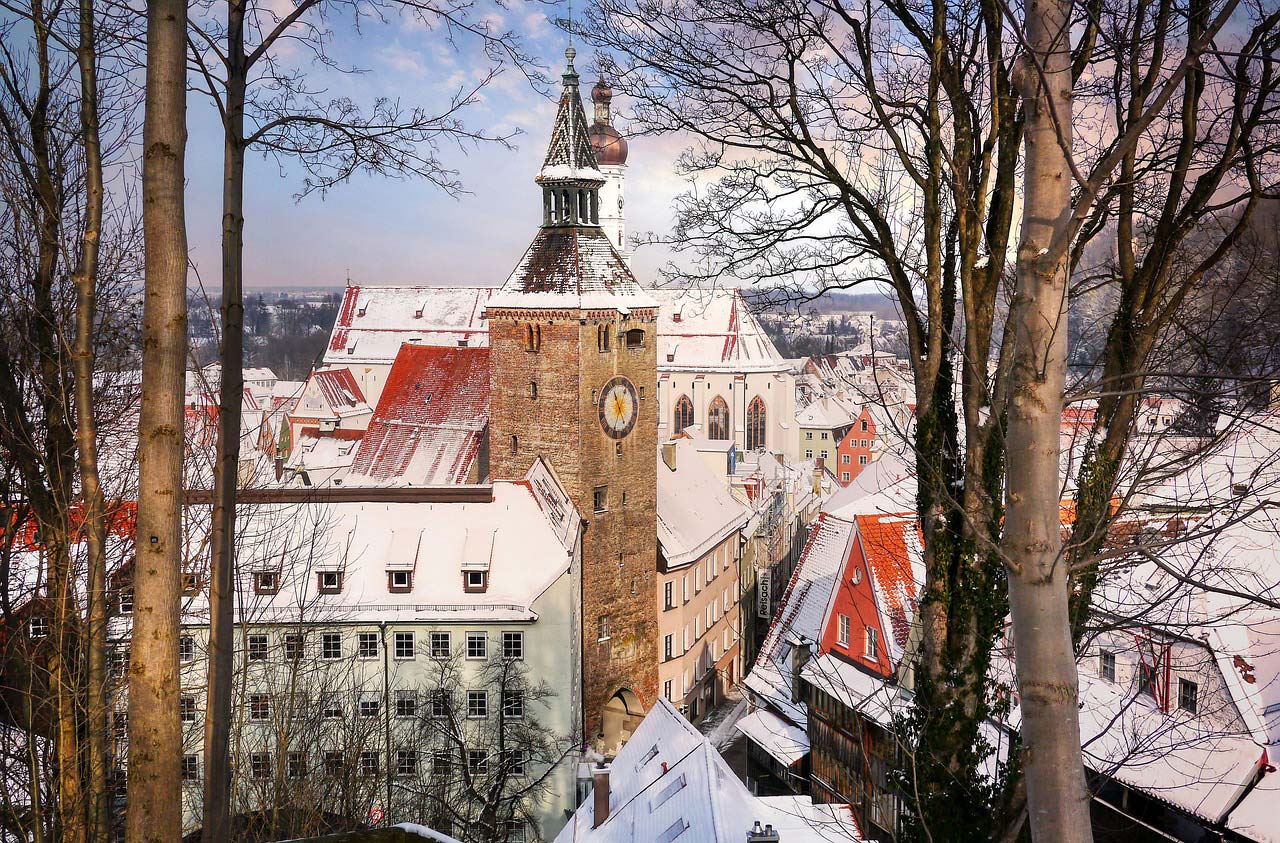
Storm, Flooding Risks & Protection of Buildings
Many of the effects of the above can be very similar and some simple general maintenance can prevent major impacts. Maintenance to the roof, gutters and drains of your business premises can prevent blockages /build-up of water that could otherwise enter and cause a disruption to the businesses turnover or sales figures. Using competent tradespeople to carry out regular maintenance or if no maintenance is required simply check the roof, drains and gutters. If no defects or rectification works is required, it is worth keeping invoices or reports for your records if they were ever needed in the event of a claim with certain condition included within insurance policies.
Escape of water/Leaking pipes/boiler failure
Most pipes within your property are hidden behind plasterboard, in voids or behind units in the kitchen or bathrooms.
The most basic checks that can be carried out include:
- getting a plumber or leak detection company to check and service the boiler,
- check pressure in any heating systems and
- check visible pipework.
If it is apparent that pipes in voids or loft spaces are not lagged (insulated) then an investment in lagging those pipes could mean the difference between suffering from a leak or not. Again, competent tradespeople are best placed to carry out these works.
Managing staff and visitors on your premises
Public liability or employers’ liability arising from slips trips and falls can be mitigated by using designated walkways around and in the business premises. Use adequate lighting both internally and externally and include signage in any high-risk areas to make visitors and staff aware of potential approaching danger.
When the temperature plunges below freezing employing a maintenance contractor to grit icy surfaces or clear them of snow can help mitigate any staff or visitor injuries.
Risk assessments and records of those assessments should be kept or included in staff handbooks that should be easily available.
Winter driving/Supply Chain & Staff Members
Winter also brings other hazards, particularly for staff members getting to and from work often travelling high-risk, busy routes or through weather warnings. Try to have a flexible approach for staff and working hours if affected by such conditions. Planning routes for deliveries to avoid high-level routes, allow for longer journey times and ensure company vehicle maintenance including staff licence checks. Establish contingency plans in case of an accident or a breakdown in your supply chain. Although not all accidents to and from work or making deliveries can be avoided taking the above steps can help reduce the risk of injuries to staff or disruption to your supply chain.
Insurances
Check your insurance policies are sufficient for your business requirements with adequate levels of coverage. Employers’ liability, public liability, fleet, buildings and business covers should be seen as a minimum to protect you in the event of a claim. If you are not sure on the cover that you require speak to an insurance broker who will use their experience to ensure that the correct covers are in place.
Business continuity plan
If the worst-case scenario happens what systems and procedures do you have in place to get the business back trading as quickly as possible. A clearly defined and regularly updated business continuity plan identifies a step-by-step guide to either prevent the risk to your business or helping it get back to normal following an interrupted period.
Summary
The winter months can be an enjoyable and profitable time of year for your business, but it also has increased risk of disruption. The above measures as simply a guide to ensure that your business does not suffer financially by making you aware of simple but effective measures to prevent loss. If your business does suffer from a significant interruption and you are forced to claim on your business policy for business interruption or other associated losses then please contact a member of our experience team on 08081617021 or email claims@majorloss.com for an initial discussion.